HondaDaddy.com
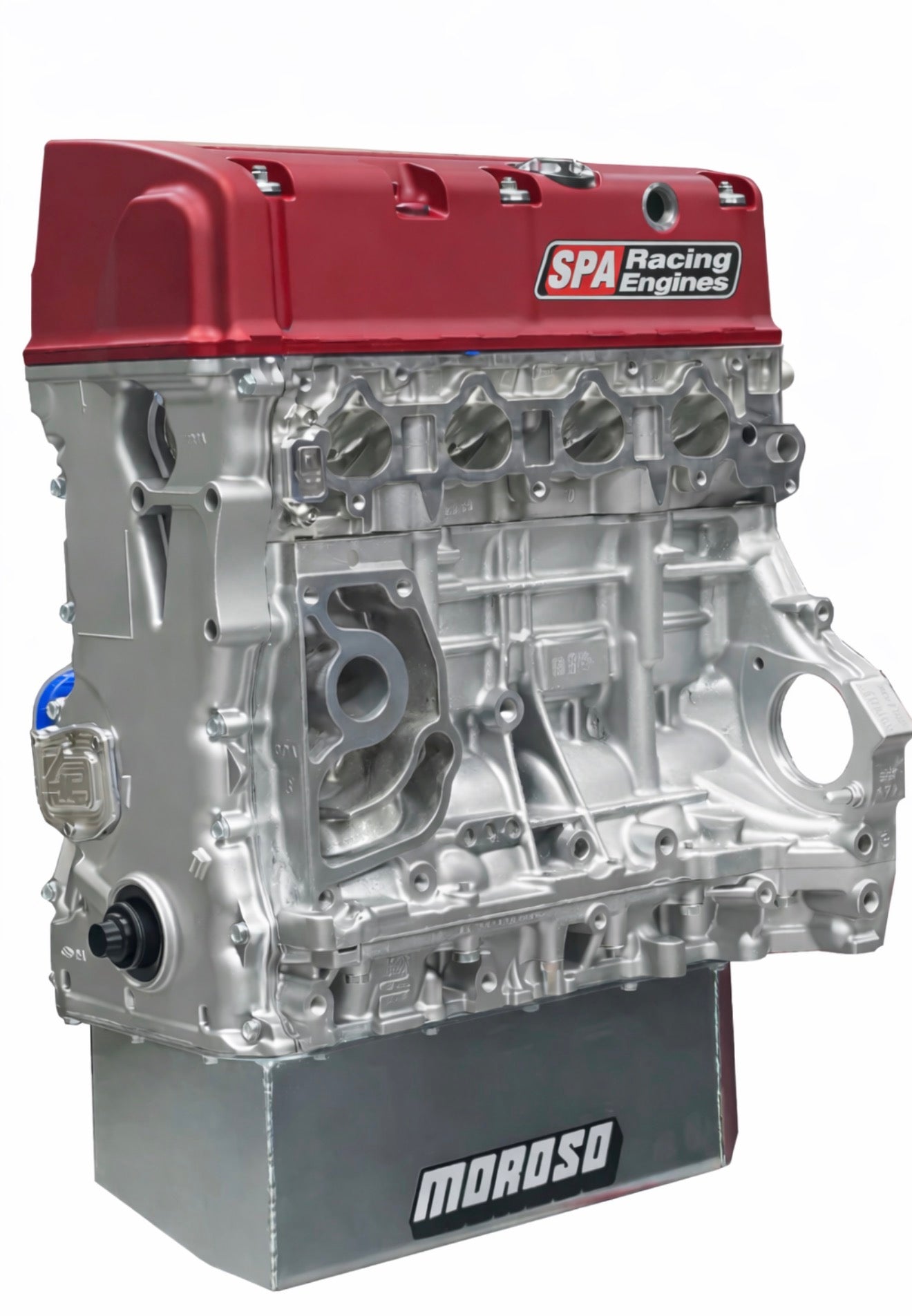
SPA 2.5 Long Block
SPA 2.5 Long Block
Couldn't load pickup availability
K24 block
HD Solid deck sleeves
K24 crankshaft (serviced, balanced, polished, washed)
Hot tanked
Ultrasonic cleaned
CNC decked
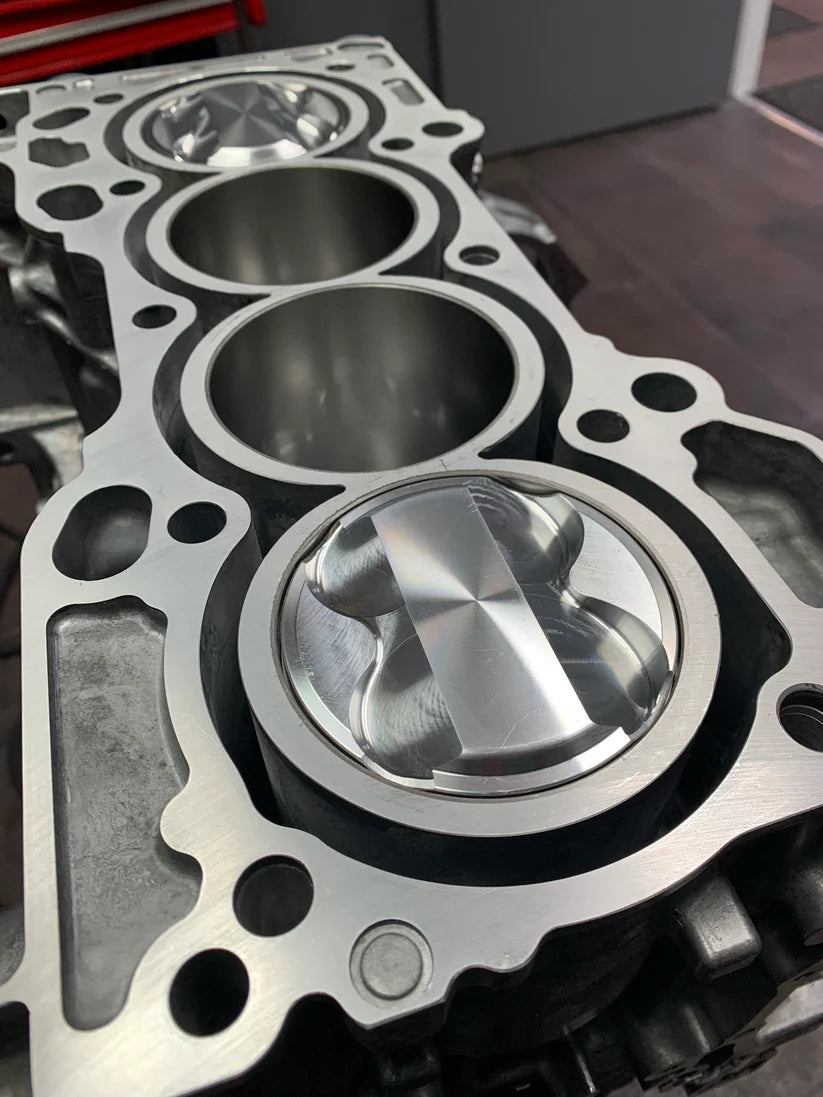
CNC bored
Diamond honed with torque plate
O-ring
Aries HD piston kit with ultra duty wrist pins
Speed factory rods or Manley Rods
King bearing set
Oil pump chain
Oil pump chain guide
Oil pump chain tensioner
Baffle plate
Modified F20C oil pump or HD Ported Type S
Blue printed
Assembled
Arp L19 head stud kit
Cometic Gasket
K20z3 or K24a2 CNC ported cylinder head
Brian Crower valve set
Brian Crower spring kit
Brian Crower retainers
Brian Crower locks
Supertech stem seals
Brian Crower valve guides
Install guides
Hone valve guides
HD comp valve job
Surface deck
Brian Crower Cams
Inline Pro timing chain tensioner
Timing chain
Long block assembly
50* cam gear
ONLY WITH CUSTOMER SUPPLIED BLOCK & CRANK
ADD HD DUCTILE IRON SLEEVES FOR $899
Race Engine Break-In Procedure
ALL ENGINES NEED A BREAK IN TUNE
50 weight break in oil
Proper engine break-in is critical to ensure maximum ring seal, bearing life, and overall engine performance. Every fresh engine should be broken in correctly before being subjected to full race conditions.
Before initial startup, verify all fluid levels, fuel pressure, and electrical connections. The oiling system should be primed prior to firing the engine to establish oil pressure and ensure all internal components are properly lubricated. To prime the oiling system, disable fuel and ignition and crank the engine over until oil pressure is established and visible on the gauge.
On first startup, the engine should immediately be brought to 1800–2500 RPM (not higher AND DO NOT THROTTLE JUMP) and held there for approximately 15–20 minutes while varying engine speed slightly. Avoid prolonged idling during this process. This initial heat cycle allows proper oil distribution, component stabilization, and confirms system operation. During this time, closely monitor oil pressure, coolant temperature, air/fuel ratio, and inspect for any leaks or abnormal noises.
After the first heat cycle, allow the engine to cool completely and recheck all fluid levels, fittings, and general engine condition.
The next phase is the ring seating process. This is performed under load by driving the vehicle and making 8–12 controlled acceleration pulls. Start at approximately 2,500 RPM and apply 50–70% throttle up to 4500-5500 RPM without Vtech, then completely lift off the throttle and allow the engine to decelerate in gear. This process creates cylinder pressure to properly seat the piston rings while engine braking helps remove excess debris from the cylinder walls.
Avoid excessive idling, constant RPM cruising, lugging the engine, or extended full-throttle operation during this phase.
After approximately 30 miles or the first race session, the engine oil and filter should be changed and inspected for any contamination or abnormal metal debris.
For the next 100 miles, continue operating the engine under varied load and RPM conditions while gradually increasing throttle input. Short full-throttle bursts may be introduced, but prolonged high-RPM (above 5500 rpm) operation should still be avoided until break-in is complete.
Following this procedure helps maximize compression, improve ring seal, reduce blow-by, and extend the life of your race engine.
Share